%402x%20(1).svg)
%402x%20(1).svg)
The project
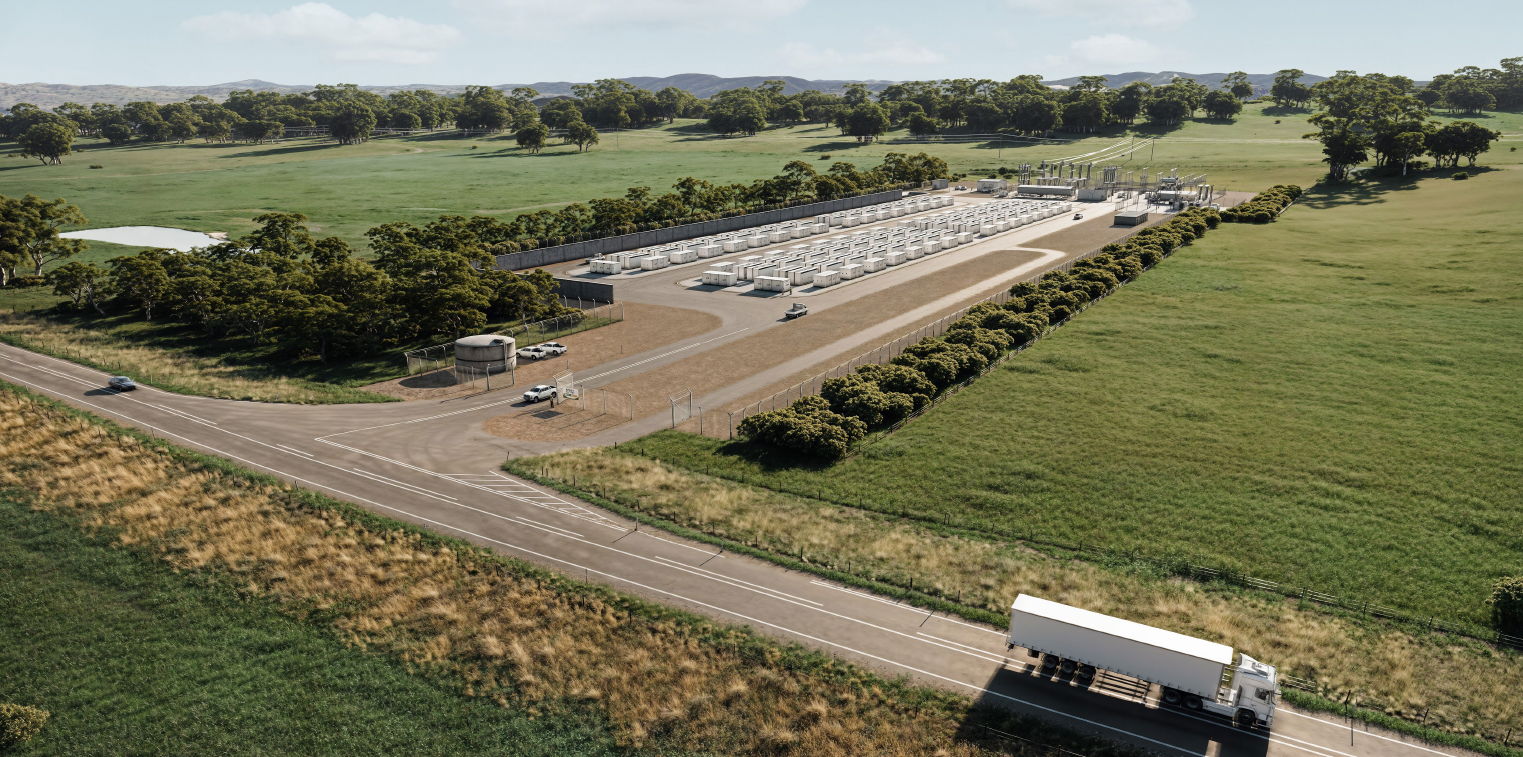
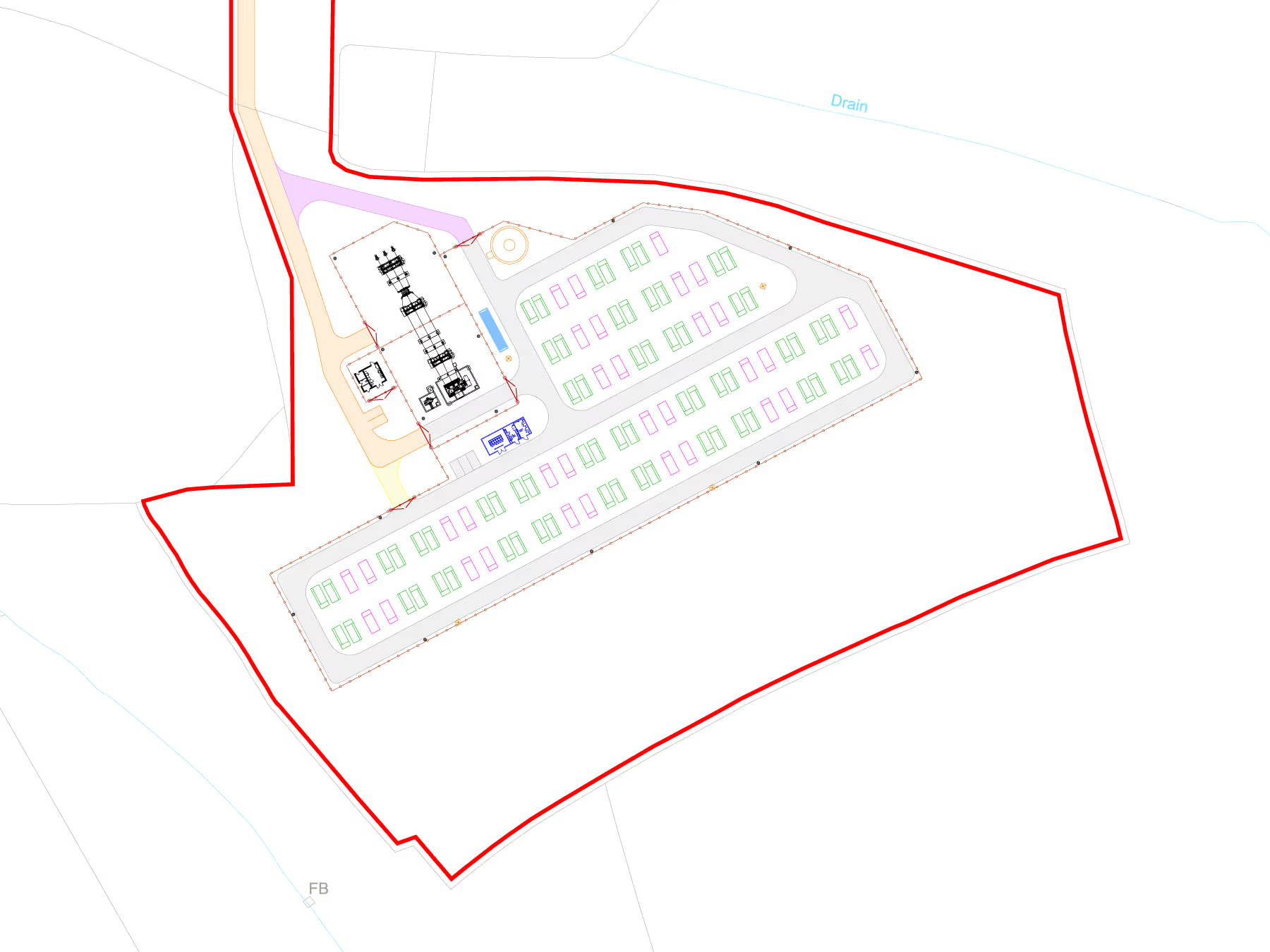
Site map

Location
Apsley (Orana), Dubbo Regional Council, New South Wales
Capacity
120 MW / 480 MWh
Land size
6 hectares
Jobs
Creating up to 100 construction jobs, with ongoing operational roles and additional workers for routine on-site maintenance
Operations
The project will operate remotely 24/7 for at least 30 years, with routine on-site maintenance. After construction, all temporary work areas will be rehabilitated
Project update – public exhibition closed
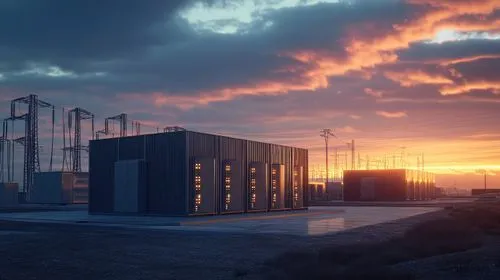
The Apsley Battery Energy Storage System (BESS) was approved in 2023, and detailed design is currently underway. Construction is anticipated to commence at the end of 2026, subject to approval.
The proposed modification was publicly exhibited from 18 June to 1 July 2026. The modification seeks approval for the following changes to support project delivery and operation:
1. Increasing the duration of energy storage from 2 to 4 hours
2. Increasing the peak construction workforce from 50 to 100 full-time equivalent workers
3. Extending the construction period from 5 to 18 months
4. Upgrades to the local road intersection
The modification does not change the approved location of the project.
The public exhibition period has now closed. Any submissions received during the exhibition period will be considered as part of the assessment process. The Department will determine the modification application following completion of its assessment.
For more information:
View the original approved project Apsley BESS | Planning Portal - Department of Planning, Housing and Infrastructure
Site selection
Proximity to infrastructure
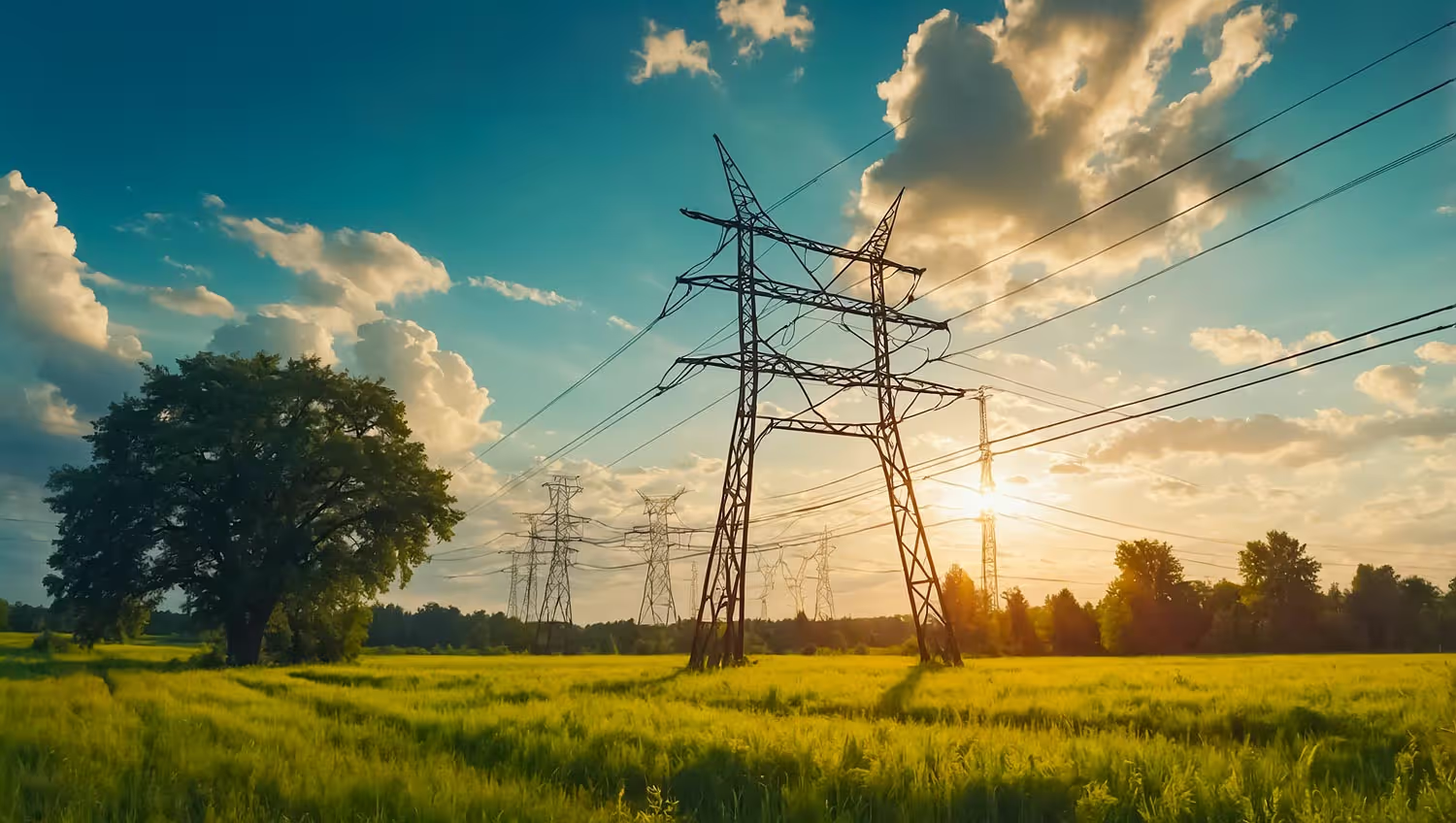
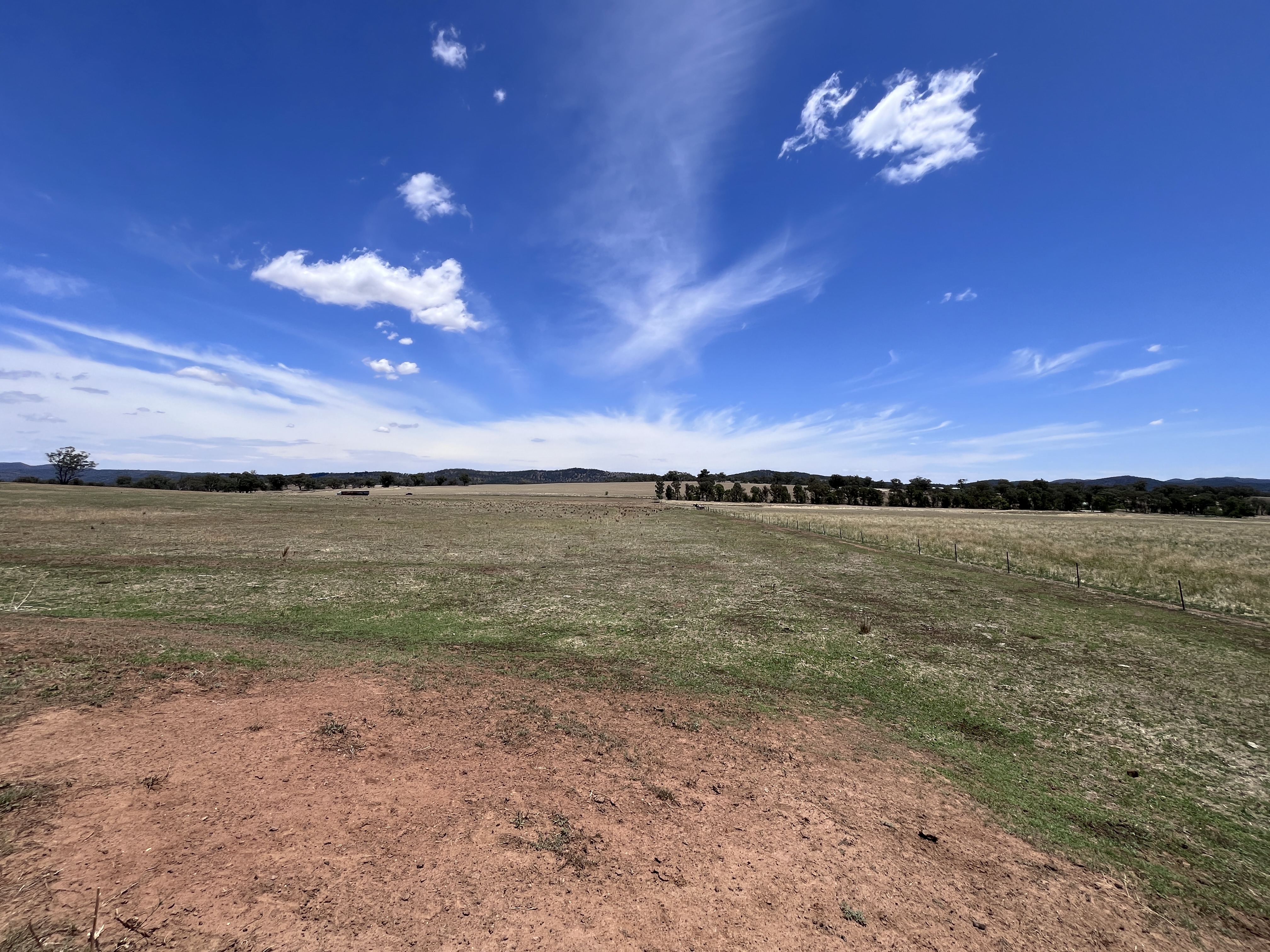
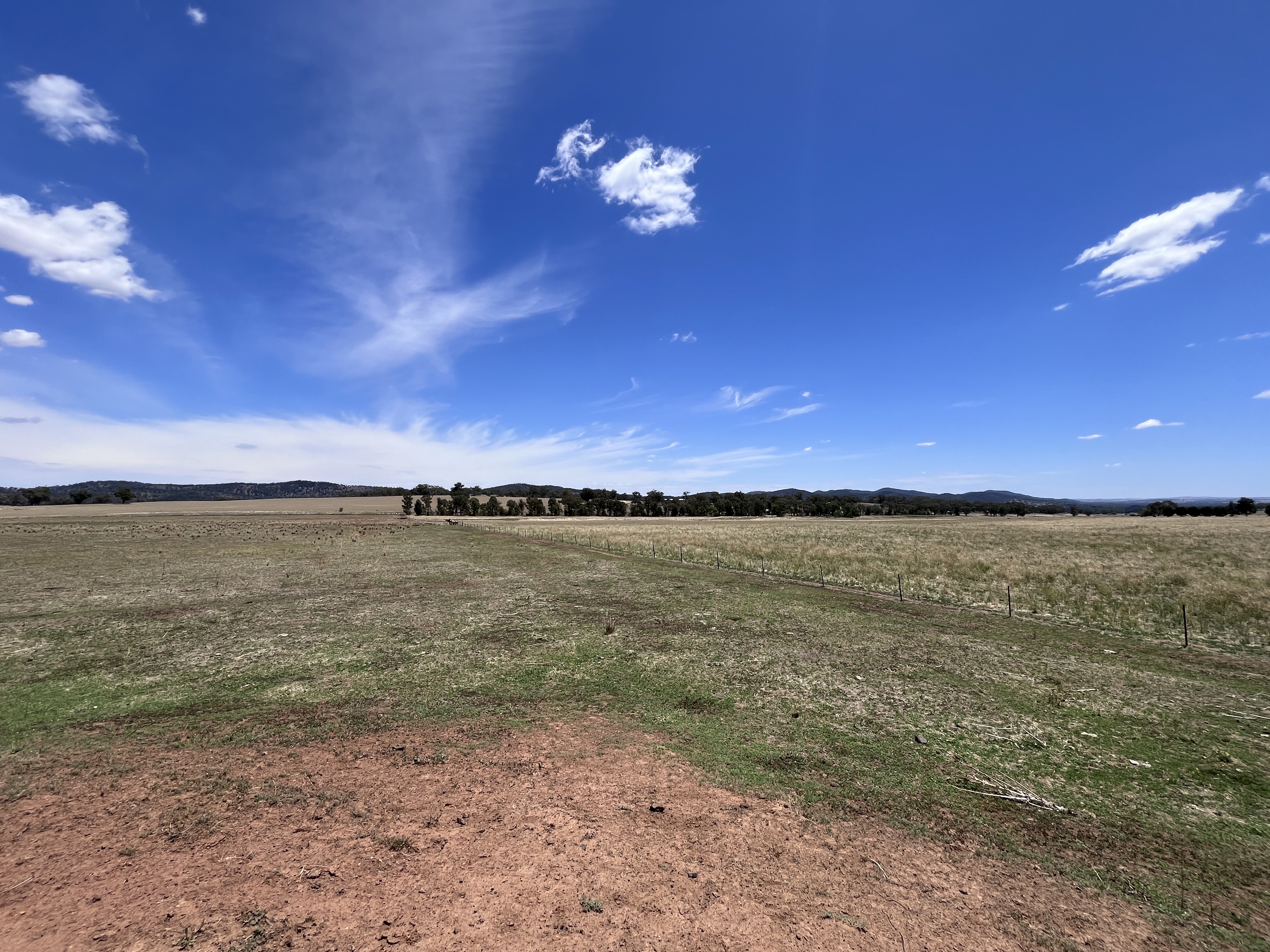
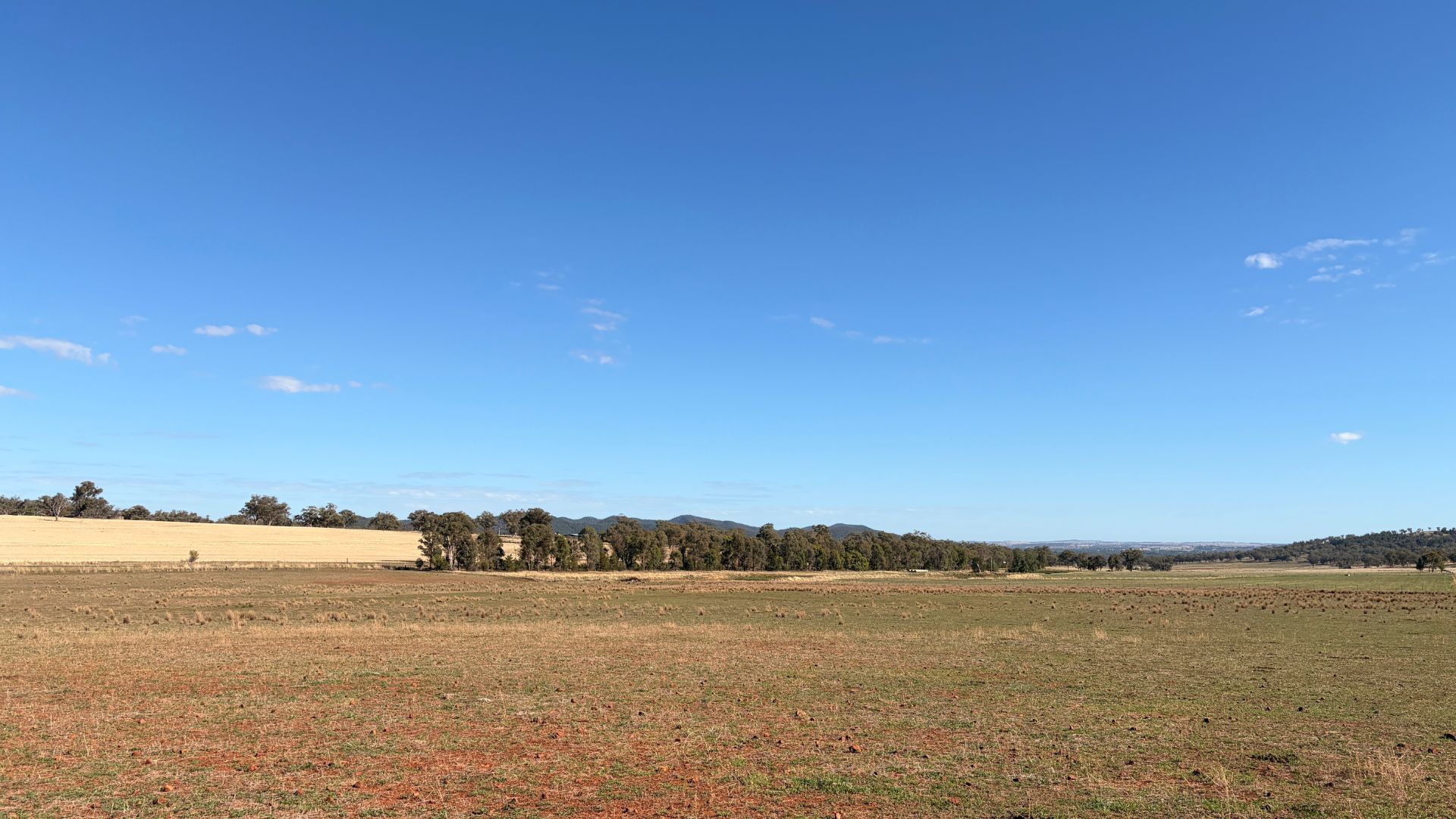
The location of the project was selected for its direct access to the existing high-voltage transmission lines on the site. Direct access to the transmission network reduces the amount of infrastructure needed to connect.
Regional profile
The project is located in a region characterised by high quality solar resources. The project is able to store energy produced during the day which can be used during peak periods in the evening.
Site characteristics
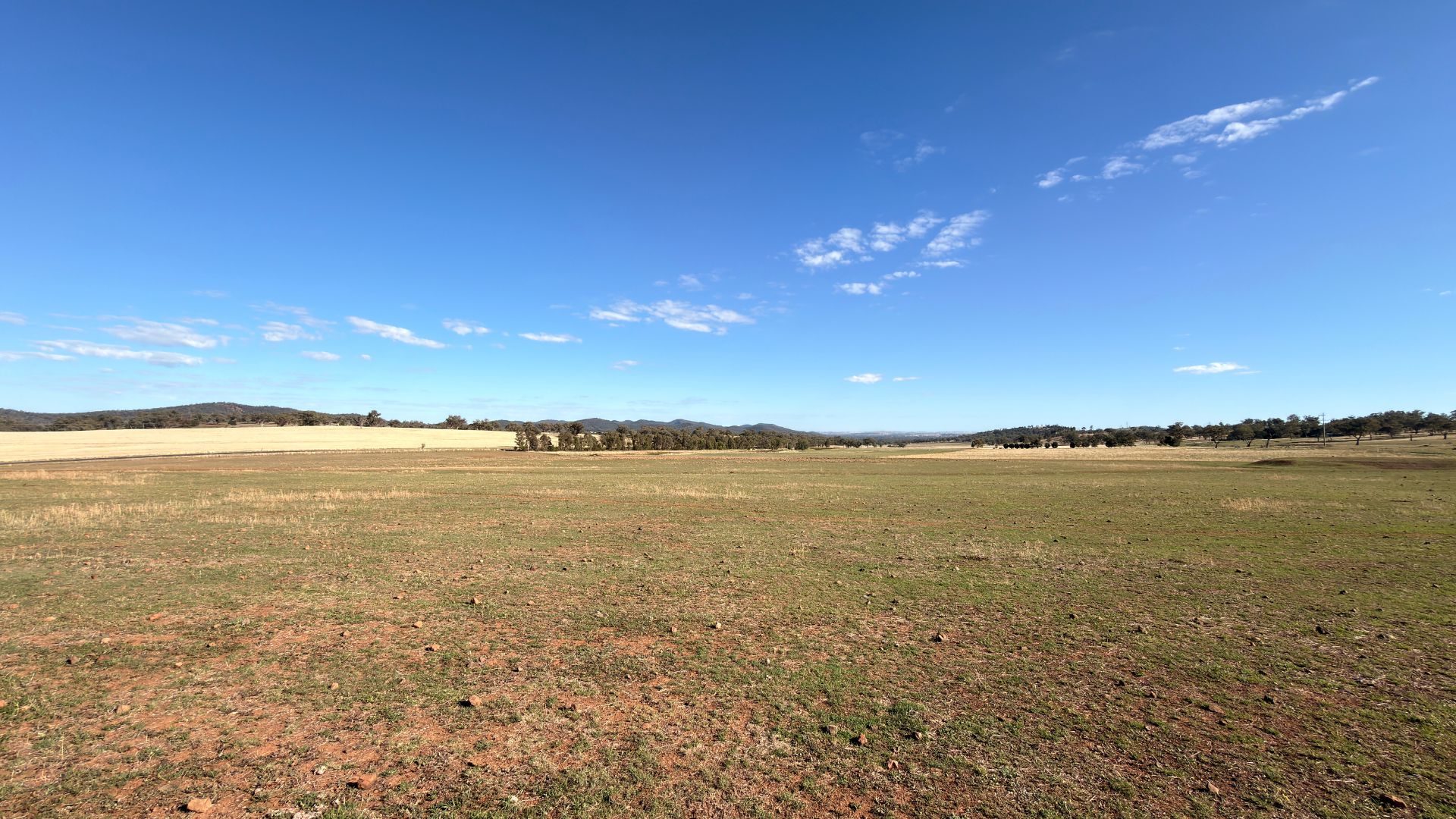
The project site has been carefully chosen because the existing land conditions make construction more straightforward, helping to minimise disruption and improve efficiency.
Why battery storage
Large-scale battery systems contribute to the stability and reliability of our changing energy system. The energy stored in batteries is able to be used quickly and respond to changing conditions.
Typically, battery systems charge during the day when solar energy is plentiful and release the stored energy back into the grid at night.

Balancing supply and demand
Battery systems help bridge the distance between where the electricity is generated and where it is needed most. By storing excess generation and delivering power during peak periods, batteries help optimise the flow of electricity across the national energy network.

Enhancing energy security
Battery systems can change to changing energy network conditions within milliseconds which assists to provide a more stable and reliable system.

Supporting a diverse system
The way in which our electricity is generated and consumed is changing. Batteries are an essential part of a more diverse and resilient system that is able to respond to change.
Integrated Ecological Design

Enhanced Biodiversity Design
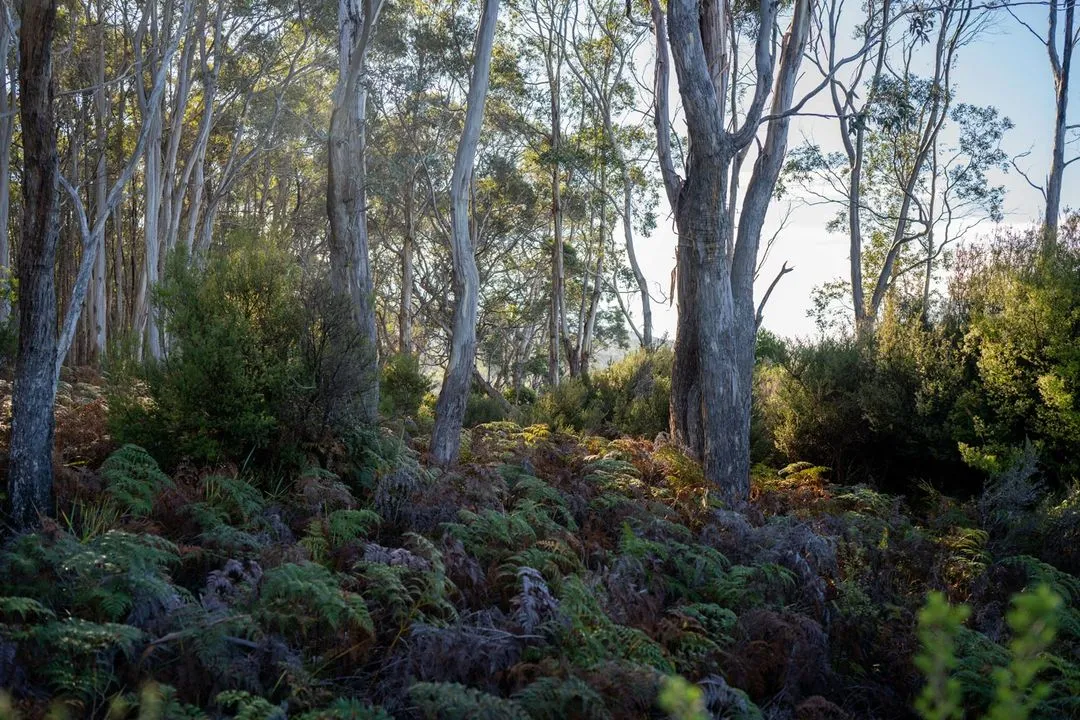
Building on detailed ecological surveys, our design incorporates features specifically for local wildlife, including water features, nesting boxes, and indigenous wildflower meadows. These enhancements support native species while working in harmony with the site's existing pastoral character.

Natural Site Screening
The site's natural topography and existing vegetation provide effective visual integration within the pastoral landscape. Additional native planting will further enhance the natural screening, particularly along Hanworth Road, minimising visual impact on the surrounding area.

Operational Excellence
Advanced remote monitoring systems ensure optimal performance with minimal physical presence. The facility operates with carefully monitored noise controls, with cooling systems designed to meet appropriate standards and guidelines. Monthly maintenance visits maximise operational efficiency while maintaining minimal local impact.

Battery storage supports the reliability and stability of the NSW power system, helping ensure a consistent supply of electricity for homes, businesses, and communities.


Community benefits
Construction of the project is anticipated to require a workforce of up to will 100 full-time equivalent jobs, many of whom will be locally based.
Funding will be provided to Dubbo Regional Council from the commencement of operations in support of the community.
Funding will be provided to Dubbo Regional Council:

a payment of $120,000 at the commencement of operations
a further payment of $230,000 at the start of the fifth year of operations
The Apsley BESS is being delivered by BW ESS, a global energy storage developer, owner and operator.
BW ESS is a long-term developer, owner and operator of utility-scale battery energy storage projects. The company is headquartered in Zurich and operates across Europe and Australia.
Contact us
BW ESS is a long-term owner and operator, focused on building strong relationships with our communities.
We’re committed to open communication and genuine engagement, and welcome your questions or feedback about the Apsley BESS.
Please feel free to get in touch:
• Complete the enquiry form
• Call us on 1800 329 172
• Email us at apsley@bw-ess.com